
How Sustainability is Shaping Commercial Take-offs in the Window Treatment Industry
Let’s face it: sustainability is no longer a buzzword—it’s the new blueprint. From high-rise offices to boutique retail stores, everyone wants to reduce their environmental footprint. And guess what? That shift is reshaping how we approach commercial take-offs in the window treatment industry. If you're still treating take-offs like it's 2010, it's time for a mindset refresh.
1. Material Matters: Eco-Friendly Is In
First things first—product selection is getting greener. Commercial clients are asking for treatments made from recycled, biodegradable, or low-emission materials. Think bamboo shades, recycled polyester fabrics, and PVC-free solar shades. As a result, take-offs now involve researching and recommending materials that tick both the design and sustainability boxes.
So if your take-off team isn’t already tuned into LEED certifications or sustainability specs, it's time to upskill.
2. Energy Efficiency = Big Deal
Window treatments play a starring role in thermal regulation. Commercial clients want treatments that don’t just look good—but work hard to cut down on heating and cooling bills. Automated solar shades? Thermal-lined drapery? Smart glass with integrated controls? These are no longer niche; they're expected.
Your commercial take-off needs to account for U-values, shading coefficients, and energy performance—yes, it’s geeky, but it’s what modern sustainability demands.
3. Digital Takeoffs Reduce Waste (and Headaches)
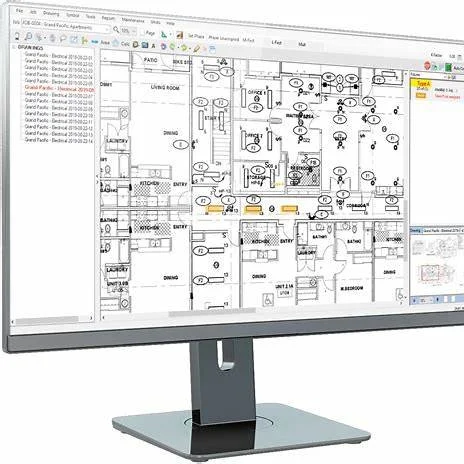
Sustainability isn't just about the products—it's also about how you operate. Traditional take-offs involved paper blueprints, manual counting, and often…a lot of rework. Digital take-off software (like what we offer at FSS!) streamlines the entire process, reduces paper waste, and improves accuracy.
Bonus: fewer job site surprises means fewer rushed, wasteful fixes.
Working digitally also means you can simulate the impact of sustainable products before installation. Now that’s smart selling.
4. Global Consciousness, Local Compliance
Today’s commercial clients are more globally aware and locally regulated. Sustainability isn’t just a feel-good perk—it’s required for building codes and tax incentives. That means your take-off documentation needs to be precise, detailed, and tailored to meet these evolving standards.
We’re seeing more clients request documentation that aligns with green building certifications. Don’t leave that out during the take-off—it could be a dealbreaker.
5. A Competitive Advantage You Can't Ignore
Let’s be honest: bidding on projects that value sustainability gives you a leg up. Companies are choosing partners who understand eco-conscious solutions—not just from a product angle, but in how you approach the project from day one. That starts with your take-off process.
When you show up with a digital, sustainability-forward commercial take-off, you're not just offering a quote. You're offering leadership.
Final Thought: Sustainability Is the New Standard
Sustainability isn’t a trend—it’s a responsibility. At FSS, we believe that the commercial take-off process is where true innovation begins. Whether you're sourcing green materials, using energy data to shape decisions, or just eliminating waste from your workflow—every step counts.